Ecological Design
The Wildlife Spine
Connecting land, water, and wildlife across the sanctuary landscape.
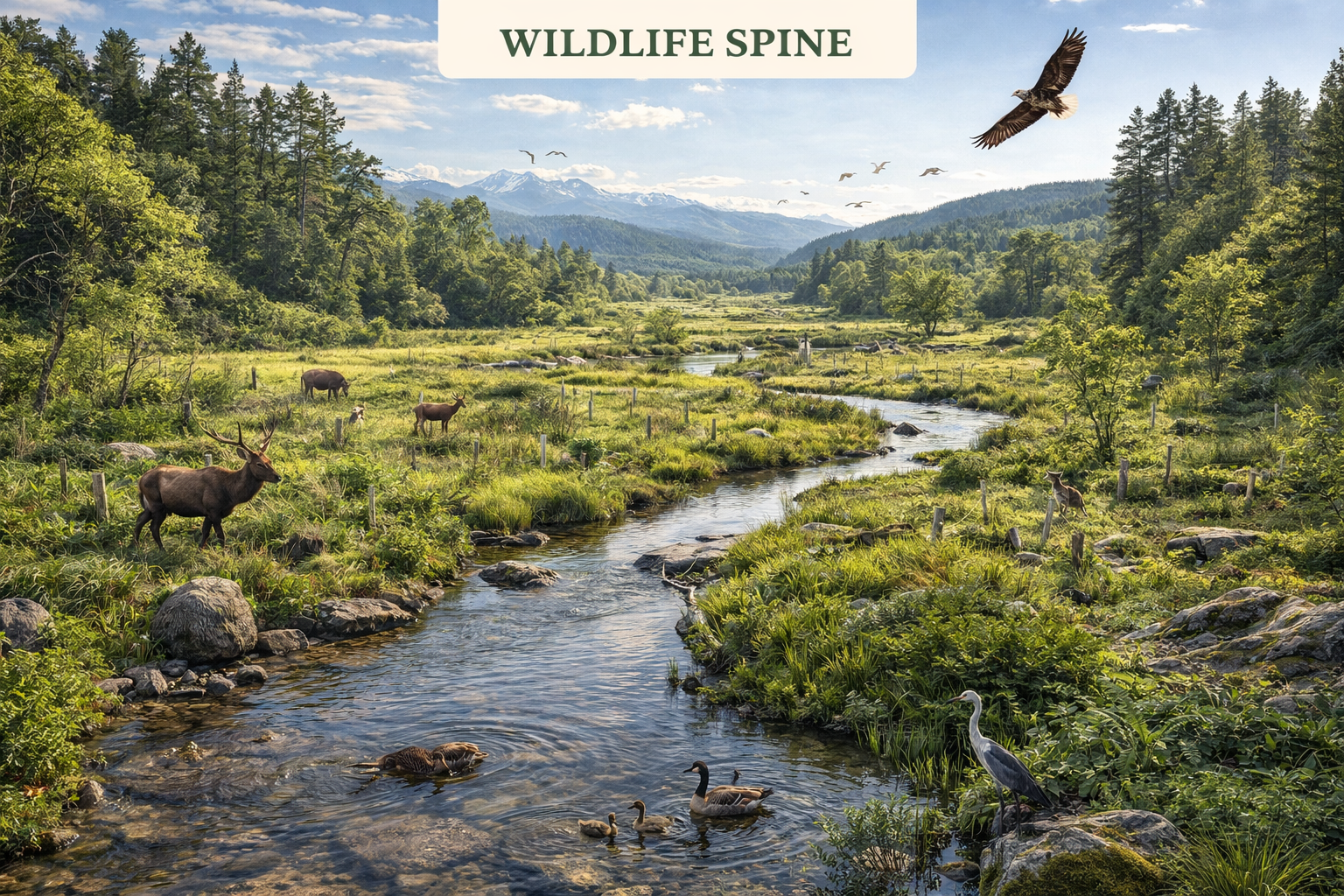
The Wildlife Spine is the central ecological corridor running through the Regenerative Stewardship Sanctuary™. Designed to support wildlife movement, restore ecological processes, and connect habitats across the landscape, this corridor is the backbone of the Sanctuary's restoration vision.
The concept is rooted in regenerative land stewardship and modern conservation science — recognizing that wildlife thrives when landscapes are connected rather than fragmented. By creating continuous habitat from one end of the Sanctuary to the other, the Wildlife Spine enables the ecological processes that sustain biodiversity, build soil, cycle nutrients, and purify water.
Why Wildlife Corridors Matter
Habitat fragmentation is one of the greatest threats to biodiversity. Corridors reconnect what has been broken.
Safe Wildlife Movement
Wildlife require connected pathways to move safely between feeding grounds, breeding areas, and seasonal habitats — fragmented landscapes isolate populations and reduce resilience.
Genetic Diversity
Connected corridors allow populations to intermingle, maintaining the genetic diversity essential for adaptation and long-term species survival in a changing climate.
Ecosystem Connectivity
Healthy ecosystems depend on connected landscapes where ecological processes — seed dispersal, nutrient cycling, water movement — can function across the whole territory.
Countering Fragmentation
Habitat fragmentation is one of the greatest threats to biodiversity worldwide. Corridors directly address this by re-establishing continuity across broken landscapes.
The Wildlife Spine directly addresses these challenges by creating a protected movement pathway across the entire Sanctuary landscape — a continuous lifeline for the species that depend on it.
The Structure of the Wildlife Spine
A multi-layered ecological corridor designed to support the full spectrum of biodiversity.
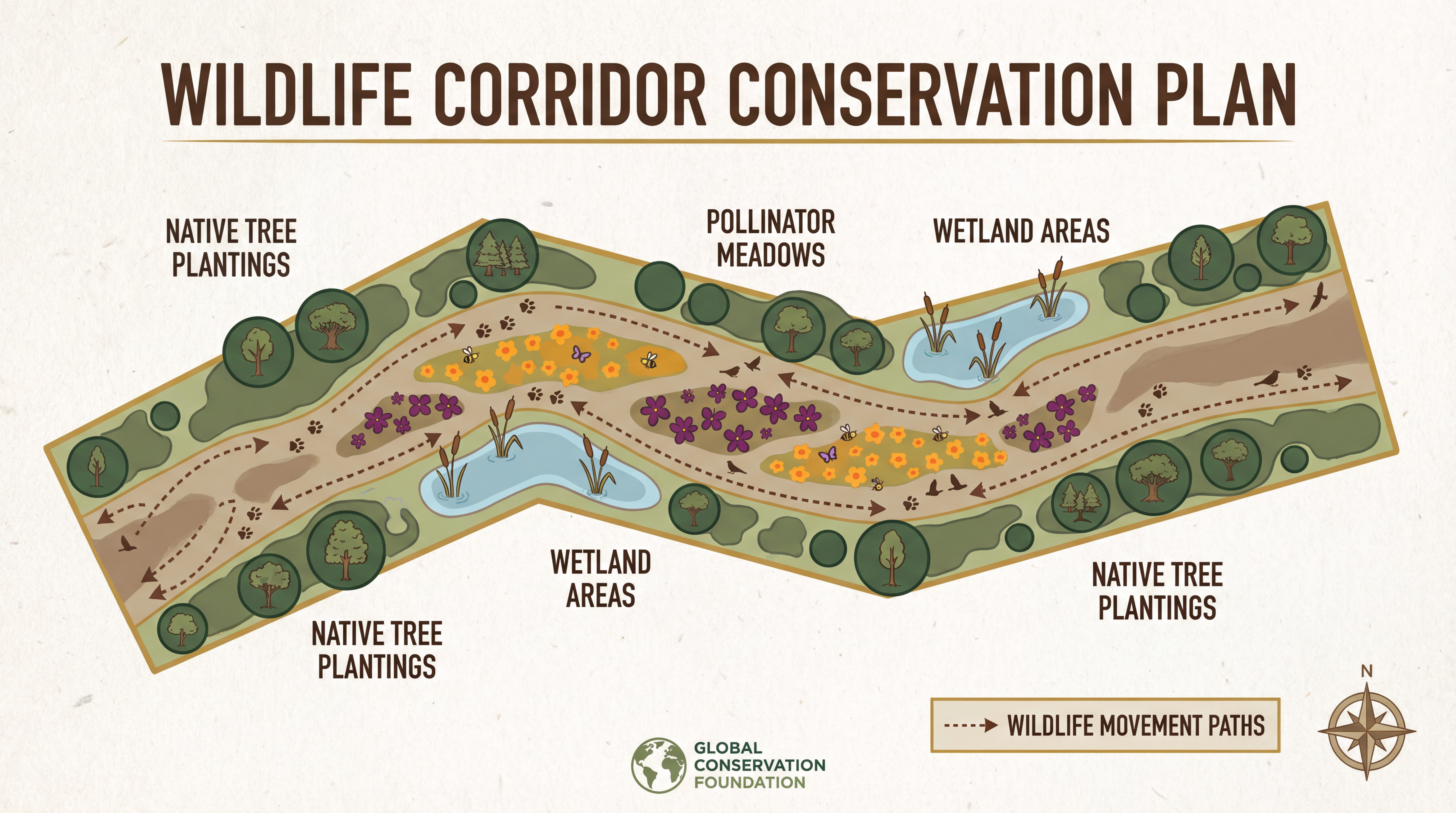
Conceptual diagrams and site plans represent the current planning vision for the Regenerative Stewardship Sanctuary™ and may evolve as ecological planning, partnerships, and site-specific assessments develop.
Native Tree & Shrub Plantings
Dense plantings of native species — aspen, balsam poplar, willow, saskatoon, chokecherry, and red-osier dogwood — forming the structural backbone of the corridor.
Pollinator Meadows
Wildflower meadows seeded with native prairie species that support bees, butterflies, and other pollinators throughout the growing season.
Wetland & Riparian Restoration
Restored wetland areas and riparian buffers that filter water, recharge groundwater, and create critical habitat for amphibians, waterfowl, and aquatic invertebrates.
Natural Cover for Movement
Layered vegetation — groundcover, shrubs, understory trees, and canopy — providing concealment and shelter for wildlife moving through the corridor.
Bird & Pollinator Habitat Zones
Designated nesting habitat, perching structures, and flowering corridors designed to support songbirds, raptors, and pollinator species year-round.
Together, these habitats form a continuous ecological corridor — a living system designed to grow stronger with each passing season.
“In every walk with nature, one receives far more than he seeks.”
— John Muir
Wildlife That May Benefit
The corridor is designed to support the full web of life — from the smallest pollinator to the largest ungulate.
Deer & Ungulates
White-tailed deer, mule deer, and moose benefit from connected travel corridors between foraging and resting areas across the sanctuary landscape.
Songbirds & Raptors
Nesting habitat for warblers, sparrows, and meadowlarks alongside hunting territory for hawks, owls, and other raptors that help regulate prey populations.
Pollinators
Native bees, butterflies — including monarchs and swallowtails — and other pollinating insects that depend on continuous flowering habitat.
Small Mammals
Voles, ground squirrels, snowshoe hares, and weasels that form the foundation of the food web and indicate the health of grassland and forest-edge habitats.
Amphibians & Wetland Species
Western toads, wood frogs, and chorus frogs that depend on restored wetlands for breeding — sensitive indicators of water quality and ecosystem health.
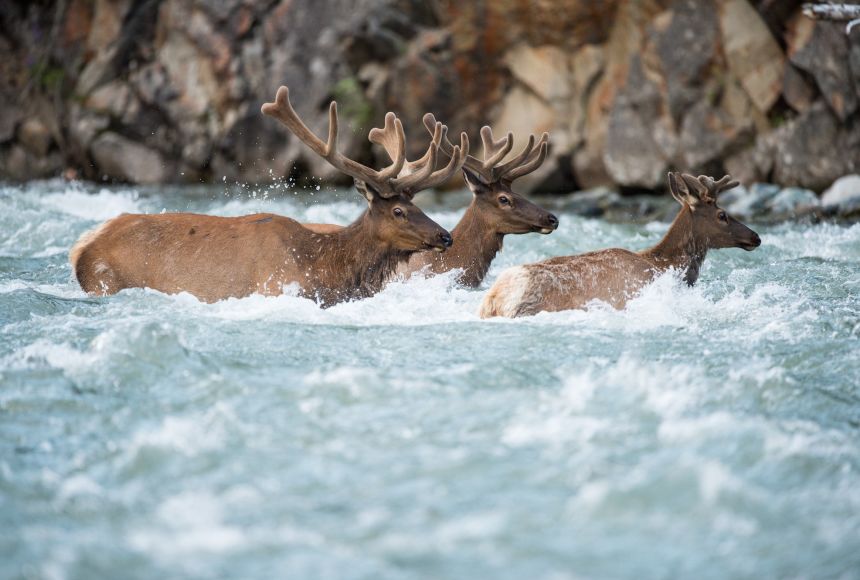
By restoring habitat across the Sanctuary, the Wildlife Spine aims to support the full diversity of species native to the Alberta parkland — rebuilding the ecological relationships that sustain them.
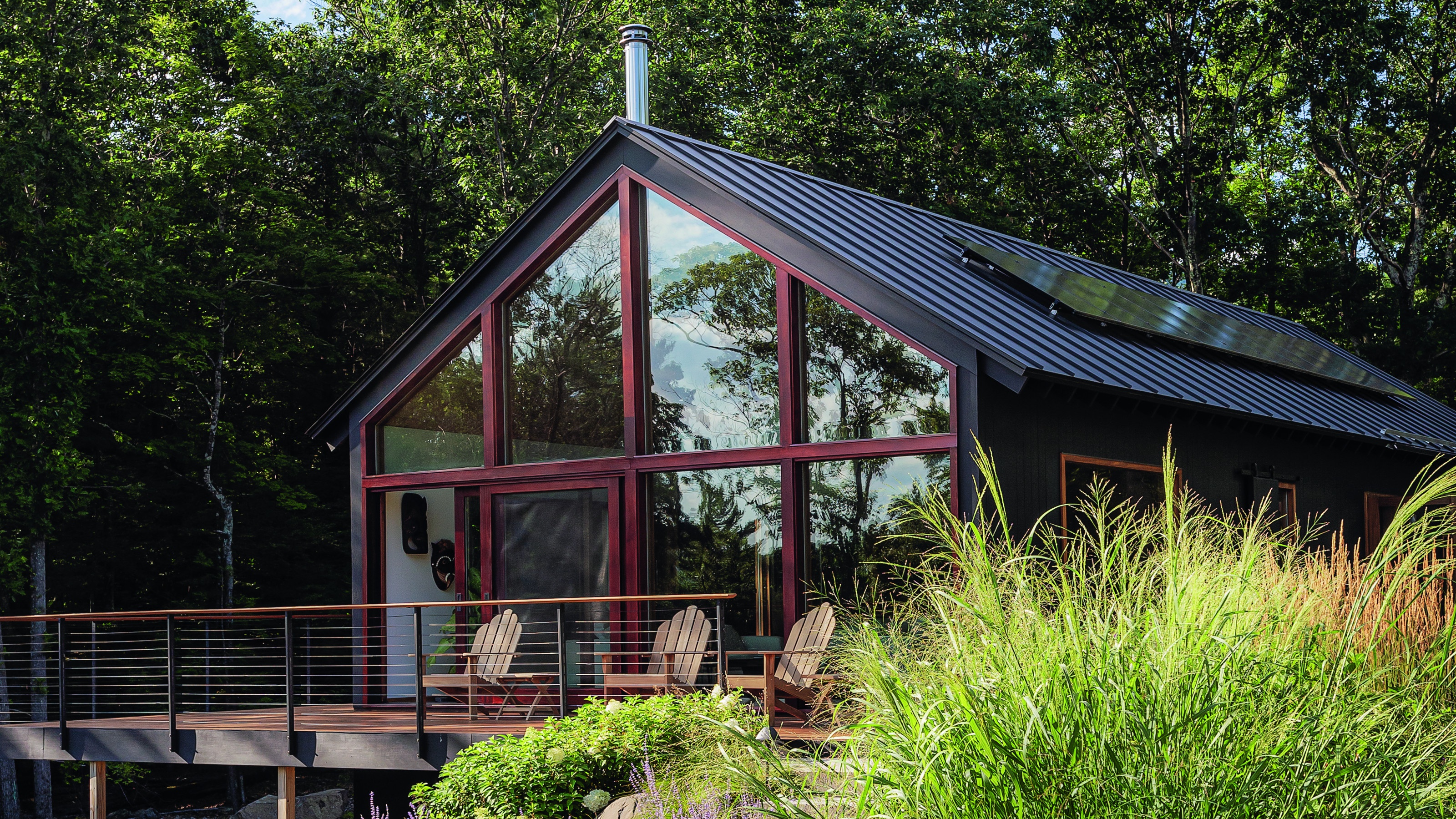
The Sanctuary Lodge at the Base of the Spine
Positioned at the base of the Wildlife Spine, the Sanctuary Lodge serves as the central hub for education, stewardship, and community engagement. From this vantage point, visitors can look out across the corridor and witness the landscape as it regenerates.
The Lodge connects people to the ecological work happening around them — offering a place to learn about restoration science, participate in stewardship programs, and experience the living landscape firsthand. It is where the human story of the Sanctuary begins.
Explore the Sanctuary LodgeA Living Restoration Laboratory
The Wildlife Spine is more than a corridor — it is a place where people learn, observe, and participate in the work of ecological recovery.
Habitat Restoration Research
Partnering with universities and conservation organizations to study restoration outcomes and refine best practices.
Ecological Monitoring
Ongoing monitoring of species diversity, vegetation establishment, water quality, and soil health across the corridor.
Restoration Workshops
Hands-on training programs in native planting, wetland construction, wildlife surveying, and corridor design.
Biodiversity Surveys
Seasonal surveys of birds, pollinators, amphibians, and mammals — building a living record of ecological recovery.
Community Stewardship Days
Volunteer events that invite neighbours, families, and partners to participate directly in the restoration of the Wildlife Spine.
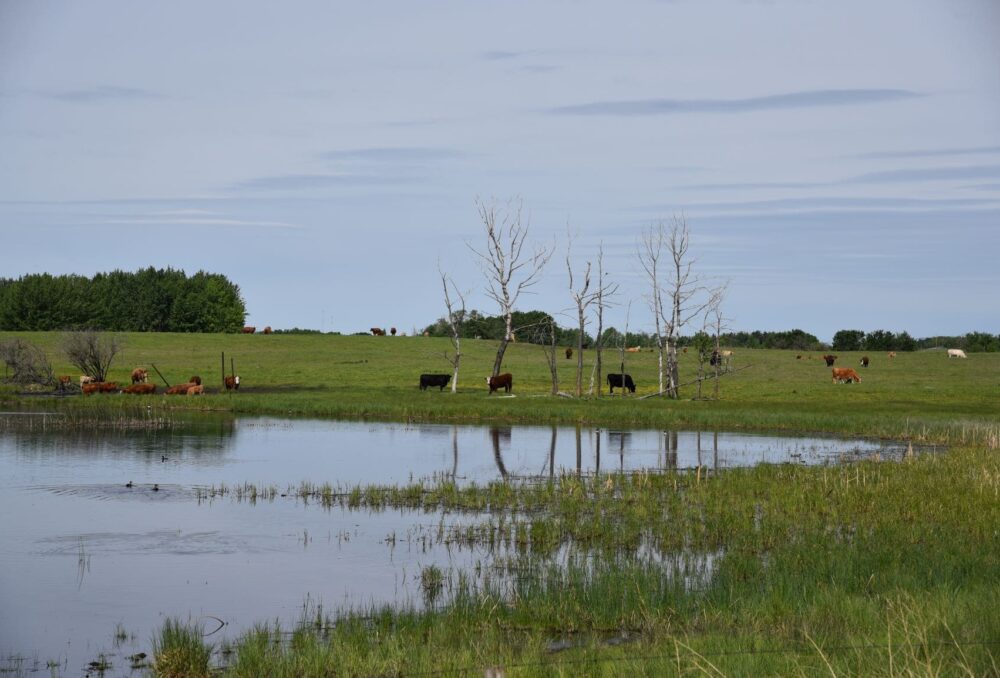
This allows visitors, researchers, and partners to witness regeneration happening in real time — turning the Wildlife Spine into a classroom without walls.
Growing the Spine
The Founding Landscape begins on a smaller site — the first chapter in a much larger story. As the Sanctuary demonstrates the ecological, educational, and community value of the Wildlife Spine, the vision is for the corridor to expand across a broader landscape through new land partnerships.
Each new parcel added to the Sanctuary extends the reach of the Wildlife Spine — lengthening the corridor, connecting new habitats, and deepening the ecological resilience of the entire system. What begins as a demonstration corridor becomes a regional model for landscape-scale restoration.
This is the power of corridors: they grow. As one section becomes established, the next can be planted. Landowners, conservation organizations, and municipalities can join the effort — linking their own properties into a shared ecological network that benefits everyone.
The Expansion Pathway
Founding Landscape
Establish the first section of the Wildlife Spine on the pilot site — native plantings, pollinator meadows, and wetland restoration.
Ecological Proof
Monitor biodiversity recovery, document wildlife use, and demonstrate measurable ecological outcomes.
New Land Partnerships
Engage neighbouring landowners, conservation trusts, and municipalities in extending the corridor across property boundaries.
Regional Corridor Network
Connect the Sanctuary’s Wildlife Spine into the broader landscape — creating a regional model for ecological connectivity.
Restoring the Pathways of Life
The Wildlife Spine represents the heart of the Sanctuary's ecological mission — reconnecting land, wildlife, and people through regenerative stewardship.
Every tree planted, every meadow seeded, every wetland restored adds another link to the chain of life that flows through the corridor. This is not just conservation — it is an act of healing, a commitment to the future, and an invitation to every species that calls this landscape home.
Be Part of the Living Corridor
Whether you're a conservation foundation, land stewardship partner, or ecological researcher — the Wildlife Spine is an invitation to collaborate.